Case 1889 · Public preview
Arc Damage and Intermetallic Growth Can Combine in High-Resistance Contacts
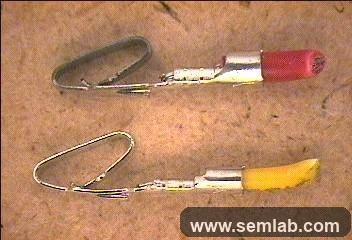
Cable contacts developed high resistance, oxidation, and permanent spring compression at powered positions.
Optical microscopySEMEDSMicrosectioningMetallographic etchingPowered/unused comparison
What the evidence preview establishes
Localized electrical arcs damaged the contact surfaces, while extensive nickel-tin, copper-tin, and zinc-tin intermetallic growth consumed much of the metallic tin. Permanent deformation reduced contact force. Hot mating or excessive operating current better explained the combined damage than a single isolated plating flaw.
Why this case matters
High contact resistance can become self-reinforcing: low force and intermetallic growth raise resistance, heat accelerates degradation, and arcing removes the remaining protective surface. Powered and unused contacts provide an essential comparison.
Full evidence reserved for MEMBER and STOREThe complete case includes the evidence sequence, four interpreted figures, alternative explanations, limitations, and practical application guidance.