Case 1886 · Public preview
Transferred Metal and Thermal History Can Redirect a Connector Investigation
Field units developed excessive connector voltage drop and discolored cable housings, although returned contacts measured normally during laboratory testing.
Contact-resistance testingLoaded voltage-drop testingOptical microscopySEMEDSMicrosectioningPlating-thickness comparison
What the evidence preview establishes
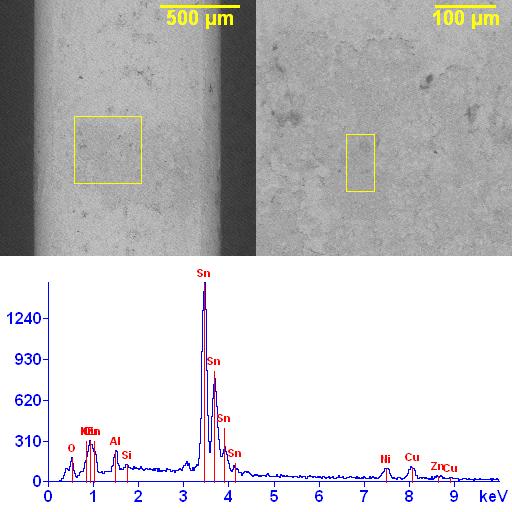
The PCBA header contacts were not supported as the primary defect source. Fused tin, excessive copper-tin intermetallic growth, arcing damage, and nickel transferred from the mating contacts instead indicated electrical heating involving the mated contact system.
Why this case matters
When a returned connector tests normally, examine its thermal history rather than stopping at present resistance. Transferred plating, fused tin, and intermetallic growth can identify the mating interface and electrical load as the next investigation targets.
Full evidence reserved for MEMBER and STOREThe complete case includes the evidence sequence, four interpreted figures, alternative explanations, limitations, and practical application guidance.