Case 188 · Public preview
Residual Plating Salts Can Attack Base Metal Through Gold-Plating Defects
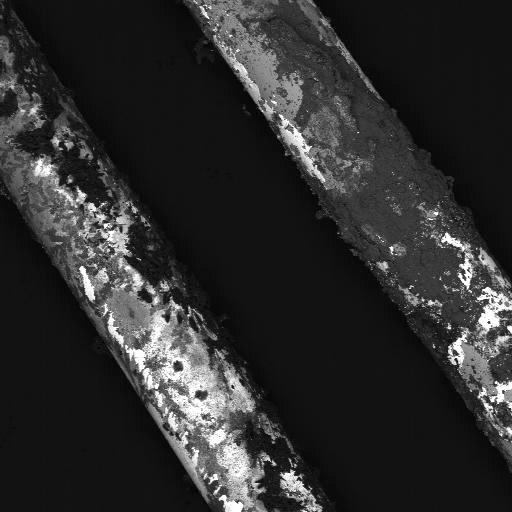
Field-return contact tines were severely corroded, while a packaged control retained substantially better surface condition.
DissectionSEMEDSElemental mappingCross-sectioningPlating-thickness comparison
What the evidence preview establishes
Sodium- and potassium-bearing alkaline residues on the gold surface promoted corrosion through microscopic pores and seams in the plating. The copper-alloy base metal oxidized, expanded, attacked the nickel underlayer, and lifted remaining gold from the contacts.
Why this case matters
Gold plating is not an absolute corrosion barrier. When contact tines corrode, analyze adherent residues, map contamination across the surface, section the plating, and compare controls before treating nominal gold or nickel thickness as the primary variable.
Full evidence reserved for MEMBER and STOREThe complete case includes the evidence sequence, four interpreted figures, alternative explanations, limitations, and practical application guidance.