Case 1341 · Public preview
Soldering Heat Can Turn a Glass-Seal Crack into an Ionic Leakage Path
Sensor terminals exhibited low terminal-to-case isolation resistance, including measured leakage in the kilohm and megohm ranges.
Resistance measurementExternal and internal SEMEDSMicrosectioningCrack-geometry comparisonSeal-interface examination
What the evidence preview establishes
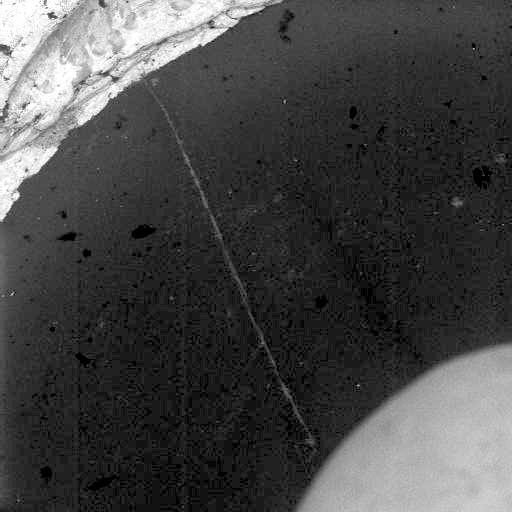
Radial cracks through the seal glass, most likely caused by excessive soldering heat at the pins, provided terminal-to-case paths that were filled with conductive zinc-chloride flux residue.
Why this case matters
Electrical isolation can fail without gross seal separation. Control soldering heat and aggressive flux around glass-to-metal seals, then investigate leakage by tracing crack continuity and ionic residue from pin to case.
Full evidence reserved for MEMBER and STOREThe complete case includes the evidence sequence, four interpreted figures, alternative explanations, limitations, and practical application guidance.