Case 892 · Public preview
Contact Wear Can Transfer Conductive Ink onto an ENIG Pattern
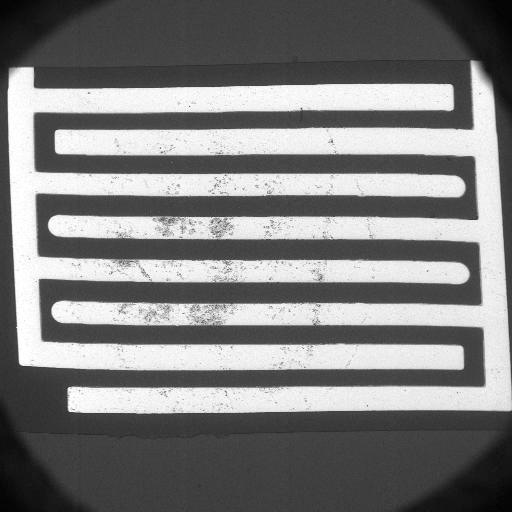
Wear-tested switch contacts developed visible deposits and irregular surface topography on ENIG-finished printed wiring board patterns.
SEMEDSElemental mappingWear-pattern comparisonUntested-control comparisonBlack-pad screening
What the evidence preview establishes
Wear transferred silver conductive ink and binder from the mating dome onto the ENIG pattern. Oxidation and raised deposits could increase contact resistance, but the examined ENIG finish did not show the grain-boundary hypercorrosion associated with black-pad defects.
Why this case matters
Treat switch-contact wear as a two-surface material-transfer process. Compare wear tracks with untouched regions, identify transferred chemistry, assess topography and oxidation, and rule out finish defects before attributing resistance changes to ENIG quality.
Full evidence reserved for MEMBER and STOREThe complete case includes the evidence sequence, four interpreted figures, alternative explanations, limitations, and practical application guidance.